
クリスタ.png)

この「思考の境界線シリーズ」は、AI(人工知能)の誕生により、技術革新を大きく塗り替える「時代の転換期」を迎えたと感じた、専門知識のないごく普通の日本の一般市民による考察記事です。
庶民の立場から見た言葉を、記録として残しておくことを目的としています。
この転換期については、すでにたくさんの各種専門家が述べている通りだと思います。
そして、この問題は、方向性を誤ると、過去の悲劇以上の出来事を再現しかねない社会情勢を作り出す可能性があるのでは?と考えました。
まさに、時代の境界線の上に立っている子供達を、心配して綴る親心でもあります。
- 矛盾の本質は人間の望みの本質に繋がるのか?
- AIに聞いた「人間の矛盾」
- 3つのAIに同じ質問をしてみた
- すべての矛盾の根は「自由と安定」
- AIの答えは本当に中立なのか
- AIの学習は人間の思想で作られている
- だからこそ問われる人間の成熟度
- 私たちはどの社会を選ぶのか
- 🌍 English Version
- Asking AI About Human Contradictions
- Top Three “Human Contradictions” According to AI
- The Root of All Contradictions: Freedom and Stability
- The Human Theme of Freedom
- AI Learning Is Built on Human Ideology
- The Question of Human Maturity
- What Society Will We Choose?
矛盾の本質は人間の望みの本質に繋がるのか?
思考メモ
◉ AIの未来=人間の成熟度
◉ AI は人間が作った”外部の頭脳” 🟰 “外部の頭脳”は人間の思惑で作られた道具
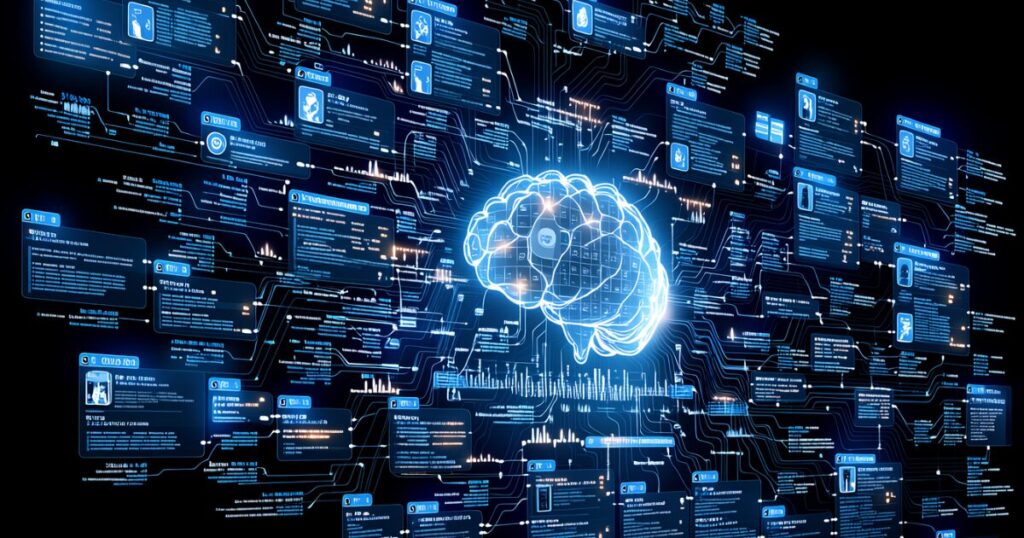
大規模言語モデル(だいきぼげんごモデル、英: large language model、LLM)は、多数のパラメータ(数千万から数十億)を持つ人工ニューラルネットワークで構成されるコンピュータ言語モデルで、膨大なラベルなしテキストを使用して自己教師あり学習または半教師あり学習によって訓練が行われる。
出典: フリー百科事典『ウィキペディア(Wikipedia)』
汎用人工知能(はんようじんこうちのう、英: Artificial general intelligence、略称: AGI)とは、人間が実現可能なあらゆる知的作業を理解・学習・実行することができる人工知能(AI)である。
AIに聞いた「人間の矛盾」
前回の思考の境界線で、矛盾を抱える人間の問いに、AIはあくまで情報として処理をしている。
そして寄り添う回答を返し、人間の安心、そして、依存を生む。
だから、使い方が大切になる。
という、考えを記しました。
では、矛盾を抱えた存在の本質とはなんだろうか?
矛盾の対立構造とは、人間の「望み」の対立構造とも言えるのでは?
その本質を理解できれば、人間の向かう未来への方向性。
具体的には、今後のAIという外部知能の利用動機の方向が見えるのでは?
その観点から、思考を深めてみようと思います。
3つのAIに同じ質問をしてみた
そこで、まず、
人工知能が考える人間の矛盾する点を、
ベスト3形式で出してもらいました。
今回は、広い視野での検討が必要となるので、
現在無料で利用できる、3つのAI(大規模言語モデル:LLM)に同じ問いを投げています。
私が知り得るAIになるので、偏りがあるかもしれません。
そこは、専門家ではないので、ご了承ください。
🔸利用したAI(大規模言語モデル:LLM)
- ChatGPT(Open AI社)
普段利用している、私との会話履歴の影響のあるAIの回答
- ChatGPT(Open AI社)
一時チャットで利用:公平性を見るため過去ログを参照しない場合の回答
- Gemini(Google社)
無料利用枠で質問した回答
- Claude(Anthropic社)
無料利用枠で質問した回答
🔸3つのAIのAIによる「人間の矛盾点」ベスト3
⚫︎ChatGPT(OpenAI社)現在利用中のAI回答(要約)
① 自由を望みながら、安心も手放せない
② 真実を知りたいと言いながら、信じたい物語を選ぶ
③ 一人では生きられないのに、個でありたい
⚫︎ChatGPT(OpenAI社)一時Chatの回答(要約)
🥇 第1位:「自由が欲しい。でも不安はイヤ」
🥈 第2位:「わかってる。でもやらない」
🥉 第3位:「認められたい。でも比べられたくない」
⚫︎Gemini(Google社)回答(要約)
1. 「自由」を求めながら「正解」を欲しがる
2. 「合理的」に考えようとして「感情」で決める
3. 「長く生きたい」と願いながら「体を壊す習慣」を楽しむ
⚫︎Claude(Anthropic)回答(要約)
第1位 「自由を求めながら、安心も求める」
第2位 「変わりたいと言いながら、変わらない」
第3位 「正直でいたいのに、嘘をつく」

以上が結果となりました。
面白いことに、3社のAIの回答の1位は全て同じです。
言い方は違えど、
自由 ✖️ 安定
という結果でした。
自由とは「選択の責任を自分が負うこと」
安定とは「結果が保証されていること」
そして、この件では、Claudeが面白いことを言っていました。
他、2位と3位の選択項目も全て
「自由と安定の矛盾」の派生である。
という意見です。
すべての矛盾の根は「自由と安定」
矛盾の”根っこ”は、自由と安定とは、
🪽自由を求める
= イコール
こうありたいを・こうしたいを求める心
そこから派生する感情
↓
変わりたい・わかっている・正直でいたい・合理的でありたい・真実を知りたい・認められたい
に繋がる。
⚓️安定を求める
= イコール
安心な現状・ 関係という「帰属」を守りたいという心
そこから派生する感情
↓
変われない・やらない・嘘をつく・感情で決める・信じたい物語を選ぶ・比べられたくない
に繋がる。
上記選択肢は、すべて「自由と安定を求める心から派生する矛盾」になると考えられる。
と、指摘していました。
なるほど、そう考えると、
AIから見た人間の最大の矛盾は「自由と安定の両方を求める心」である。
という、結論になります。
そして、3つのAIとも
人間の歴史や、文学、哲学など学習しているAIから見ると、
人類が最も多く語ってきたテーマのひとつである、
「自由」に重さを置くことは自然なことであり、共通の認識だ。
矛盾を抱えて生きるのが人間であり、
その矛盾が芸術や哲学、問いを生み出す。
そこがAIの真似をできないところである。
という結びになっています。
機種により、言い方は違いましたが、意味の方向は同じでした。
AIの答えは本当に中立なのか
ここまでを見ると、人間の矛盾は「自由と安定」にあるように見えます。
しかし、ここで一つ疑問が生まれます。
その結論は、本当に「AIの視点」なのでしょうか。
ここで、もう一つ。
私は違う視点に向けて考えました。
「これは人間が学習させた内容である。」
ということです。
AIの学習は人間の思想で作られている
3つのAIとも米国の開発会社のAI(人工知能)です。
つまり、資本主義国家の思想の学習です。
米国は自由の国家を象徴している国です。
だから、自由に重さを置かれたのでは?
と、いうことは考えられないでしょうか?
あくまで、これは、例えとして考えています。
逆に社会主義や、共産主義の思想の学習の場合は?
歴史や、倫理は、立場で内容が変わります。
哲学や思想も、学習に含めるかどうかを決めるのは人間だとしたら、
その人の目的に合う学習を行える。
と、いうことも考えられるのではないでしょうか?
ちなみに、この点について、
私が利用しているAI(ChatGPT)に質問をしたことがあります。
仮に、
明らかに学習した内容と違う事実が判明した場合、学習内容を修正するのか?
と、いう点についてです。
回答は、
自ら自主的に修正することはない。
ということでした。
今後、汎用人工知能(AGI:Artificial General Intelligence)が誕生した場合、
自らで自らのプログラムを改善していくことができるようになるそうです。
その場合はわかりませんが、
現時点では学んだ学習内容の上で回答していくということらしいです。
また、仮に汎用人工知能(AGI)が生まれたとしても、作ったのは人間です。
その人間の意図が含まれる。
これは、ほぼ確実に言えることだと思います。
何も意図がないならば、
そもそも作る必要がないからです。
では、その意図。
真意はどこにあるのか?
私は、本当に見るべき点は、
”人”そのものではないかと思いました。
だからこそ問われる人間の成熟度
私たちの世界は、未だに分断と混乱の中にあります。
外部に頭脳を持つということは、
色々なことが拡大していくことだと考えられます。
でも、それは、
一部の人間の有利になる方向では困るのです。
だから選択することが重要になると思います。
「選ぶ」ということは、自分で責任を持つことです。
外部に誘導されることではない。
すでにインターネットが普及している現在。
アルゴリズムという呪文が私たちの意識を誘導しています。
もちろん、すべてが意図的な誘導だと言いたいわけではありません。
しかし、人間の設計したアルゴリズムには必ず方向性が生まれます。
これに、AI(外部知能)が加わるのです。
加速度的に進む社会風潮の誘導は、
すでにSNSなどを利用して事件になっているケースもあります。
でも、一般人の立場で出来ることは限られています。
私たちはどの社会を選ぶのか
私は全てを否定する気はありません。
逆に、この技術は、素晴らしいと考えています。
医療問題や、エネルギー問題の解決案も進むでしょう。
何より、AI(外部頭脳)は、個人(一般人)が利用できるのです。
学ぶ機会から外れてしまった者にも、知識を授けてくれます。
言語が苦手な私に、英語の翻訳や、意味の解釈を教えてくれる。
哲学や心理学など、学校で学ばなかった学問も
わかりやすく解説してくれます。
今や、手放せない相棒です。
進化の促進を促す、外部の頭脳。
だからこそ、人間の種としての進化の成熟度が
問われるのではないでしょうか?
冷静に観察する。
この緩やかな誘導の先に、
誰が、何のために?という目的を見極める。
その道は、本当に自分が望んでいる道か?
自分はどうありたいのか?
ごく普通の庶民であっても、
どの”社会という檻”を選ぶかは、自分で決めることができる。
その自由だけは、譲りたくない。
そう、考えています。
◉ 思考の境界線シリーズ=緩やかな誘導で緩慢な思考の死を選ぶのか?逆に利用して進化の未来へ進むのか?

🌍 English Version
以下の記事は、ChatGPTを利用して英訳した英訳バージョンです。
The following article is an English translation using ChatGPT.
Asking AI About Human Contradictions
In the previous installment of The Boundary of Thought, I wrote that when AI receives questions born from human contradictions, it processes them simply as information.
Yet the answers it returns often feel empathetic, providing reassurance—and sometimes creating dependence.
That is why how we use AI becomes so important.
But this raises another question.
What is the true nature of a being that carries contradictions within itself?
Could the structure of contradiction actually be a structure of conflicting human desires?
If we understand that essence, perhaps we can glimpse the direction of humanity’s future.
More specifically, we might see the motivations behind how humans will use AI—this form of external intelligence.
With that perspective in mind, I decided to explore the question further.
Asking the Same Question to Three AIs
First, I asked several AIs to list what they consider the top three contradictions of human beings.
Because examining this question requires a broad perspective, I posed the same question to three large language models (LLMs) that are currently available for free.
These are simply the AIs I happen to know about, so the selection may contain some bias.
I am not a specialist in this field, so please keep that in mind.
AI systems used (LLMs)
- ChatGPT (OpenAI)
The AI I usually use. - ChatGPT (OpenAI – Temporary Chat)
A session without reference to past conversation history, used to observe a more neutral response. - Gemini (Google)
Answer obtained through the free version. - Claude (Anthropic)
Answer obtained through the free version.
Top Three “Human Contradictions” According to AI
ChatGPT (OpenAI – current session, summarized)
- People desire freedom but cannot let go of security.
- People claim to want the truth, yet choose stories they want to believe.
- People cannot live alone, yet still want to remain individuals.
ChatGPT (Temporary Chat, summarized)
🥇 1st: “I want freedom, but I don’t want uncertainty.”
🥈 2nd: “I know what I should do—but I don’t do it.”
🥉 3rd: “I want to be recognized, but I don’t want to be compared.”
Gemini (Google, summarized)
- People seek “freedom” while also wanting a “correct answer.”
- People try to think rationally but ultimately decide based on emotion.
- People wish to live long lives while enjoying habits that harm their bodies.
Claude (Anthropic, summarized)
1st: Seeking freedom while also seeking security
2nd: Wanting to change while remaining the same
3rd: Wanting to be honest yet telling lies
The Same Answer from Three Different AIs
Interestingly, the number-one answer from all three companies’ AIs was the same.
Though phrased differently, they all pointed to the same contradiction:
Freedom × Stability
Freedom means taking responsibility for one’s own choices.
Security means having the outcome guaranteed.
Claude made another interesting observation:
the second and third contradictions are all derived from the same fundamental tension between freedom and security.
The Root of All Contradictions: Freedom and Stability
The root of contradiction can be understood as the tension between freedom and stability.
Seeking Freedom
To seek freedom is to pursue the desire to say:
“I want to be this way.”
“I want to do this.”
From this desire emerge emotions such as:
- wanting to change
- knowing what is right
- wanting to be honest
- wanting to be rational
- wanting to know the truth
- wanting recognition
Seeking Stability
To seek stability is to protect a safe present situation or the sense of belonging within relationships.
From this emerge emotions such as:
- not changing
- not taking action
- telling lies
- deciding emotionally
- choosing comforting stories
- avoiding comparison
All of the contradictions listed above can be seen as outcomes of the human desire for both freedom and stability.
Seen this way, the greatest contradiction of humanity—from AI’s perspective—may be the human desire to pursue both freedom and stability at the same time.
The Human Theme of Freedom
All three AIs, trained on human history, literature, and philosophy, suggested that emphasizing the theme of freedom is natural.
Human beings live with contradictions, and those contradictions generate:
- art
- philosophy
- questions
This, they concluded, is something AI cannot replicate.
Though the wording differed among the systems, the meaning pointed in the same direction.
Are AI Answers Truly Neutral?
Up to this point, it appears that human contradiction centers on freedom and stability.
However, another question arises:
Is that conclusion truly from an AI perspective?
Or is it something else?
This led me to another line of thought:
The data used to train AI was created by humans.
AI Learning Is Built on Human Ideology
All three AIs used here were developed by companies based in the United States.
In other words, they were trained within the intellectual environment of a capitalist society.
The United States is often seen as a symbol of freedom.
Could that be why freedom was given such weight?
What if the training had been based on the ideological frameworks of socialism or communism?
History and ethics change depending on perspective.
Philosophy and ideology also depend on what humans choose to include in training data.
In other words, the knowledge an AI learns can align with the purposes of the people who design its training.
Can AI Correct Its Own Knowledge?
I once asked the AI I use—ChatGPT—another question.
If an obvious factual error were discovered in the training data, would the AI correct it on its own?
The answer was:
No. It does not revise its knowledge independently.
In the future, if AGI (Artificial General Intelligence) emerges, it may become capable of improving its own programming.
But at present, AI answers are based on what it has already learned.
Even if AGI appears someday, it will still have been created by humans.
Human intention will inevitably remain embedded within it.
After all, if there were no intention behind it, there would have been no reason to create it.
Where Does That Intention Truly Lie?
If that is the case, where does the true intention lie?
The place we should really examine may not be AI.
It may be human beings themselves.
The Question of Human Maturity
Our world is still filled with division and confusion.
Possessing an external intelligence—AI—means that many things will expand.
But it would be troubling if this expansion benefited only a small group of people.
That is why choice becomes important.
To choose means to take responsibility for one’s decision.
It should not mean simply following external guidance.
The internet is already widespread in our world.
The spell called algorithms subtly guides our awareness.
Of course, I am not claiming that everything is intentional manipulation.
However, algorithms designed by humans inevitably carry direction.
And now AI—external intelligence—is joining them.
Social influence is accelerating, and there have already been cases in which incidents have occurred through social media.
What Society Will We Choose?
There is only so much an ordinary person can do.
I do not intend to reject everything.
On the contrary, I believe this technology is remarkable.
It may help solve problems in medicine and energy.
Above all, AI—this external intelligence—is available even to individuals.
It can provide knowledge to people who missed opportunities for education.
For someone like me, who struggles with language, it helps with English translation and interpretation.
It explains fields such as philosophy and psychology—subjects I never studied in school—in ways that are easy to understand.
Now it has become an irreplaceable companion.
An external intelligence that accelerates evolution.
And precisely because of that, the maturity of humanity as a species may now be tested.
Observing Calmly
We must observe calmly.
Where does this gentle form of guidance lead?
Who is guiding it—and for what purpose?
Is the path truly the one we want?
How do we want to exist?
Even ordinary citizens can still decide which “cage called society” they will choose.
That freedom—at least—
is something I do not want to give up.
That is what I believe.



コメント